Bringing Back the Buffalo
How they disappeared
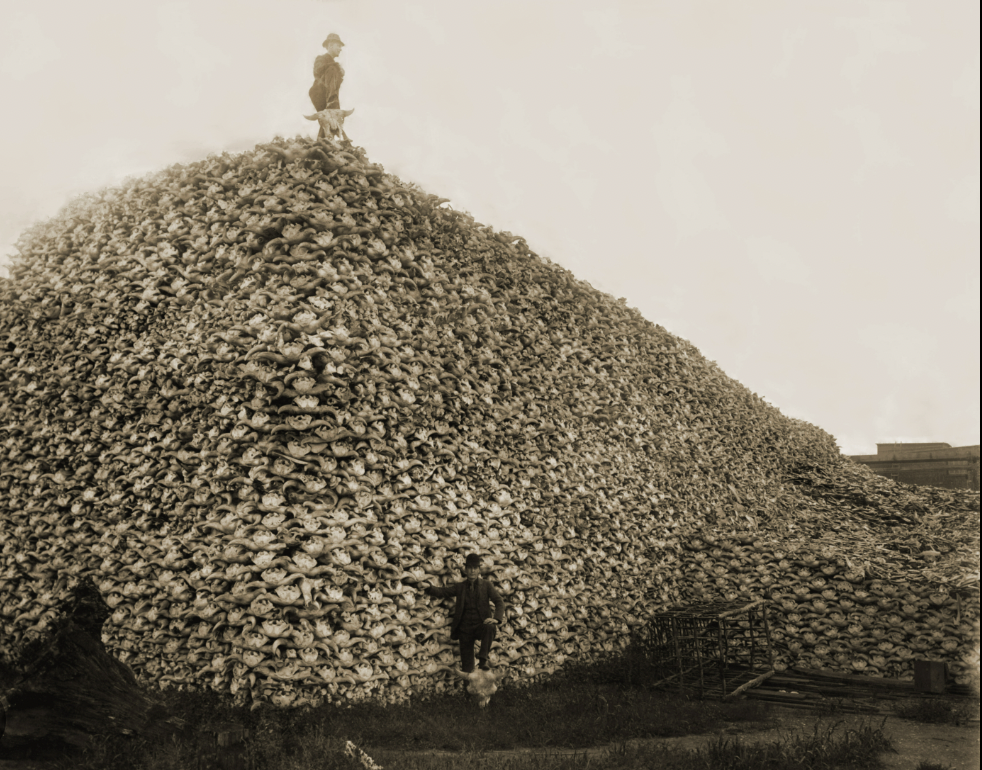
Tens of millions of bison once migrated across North America from Mexico to Canada. In a way, migration is an inherent part of the American continent. In Texas, they covered the plains from the Panhandle down through Central and South Texas, creating microhabitats along their pathway. By 1889, the last verified wild bison in Texas was spotted in Dallam County in the far northwest Panhandle. The herds were gone.
The destruction happened fast. Between the 1870s and 1890s, the U.S. government actively managed a campaign to slaughter every Bison they came across. Eliminating the bison was a deliberate strategy to starve and subdue the native nations that developed complex international relationships with them.
You see, Texas and the plains held incredibly complex diplomatic relationships with each other that gave individual nations the right to use the land without any single nation owning the land. According to Native doctrine, owning land was as silly as owning the air around us.
This allowed many nations to co-exist in the same lands, an idea too radical even for today's American society. The only contemporary concept we have similar to this is how we manage international waters not claimed by any one nation.
I digress, as we all know, the colonial project of manifest destiny succeeded, and once the Bison were killed in mass, so too were the native peoples subdued for the last 13 generations.
But today, we live, and many native peoples are seeking ways to revive parts of old ways. And so I write this to discuss how Buffalo are coming back little by little.
A keystone species in Texas
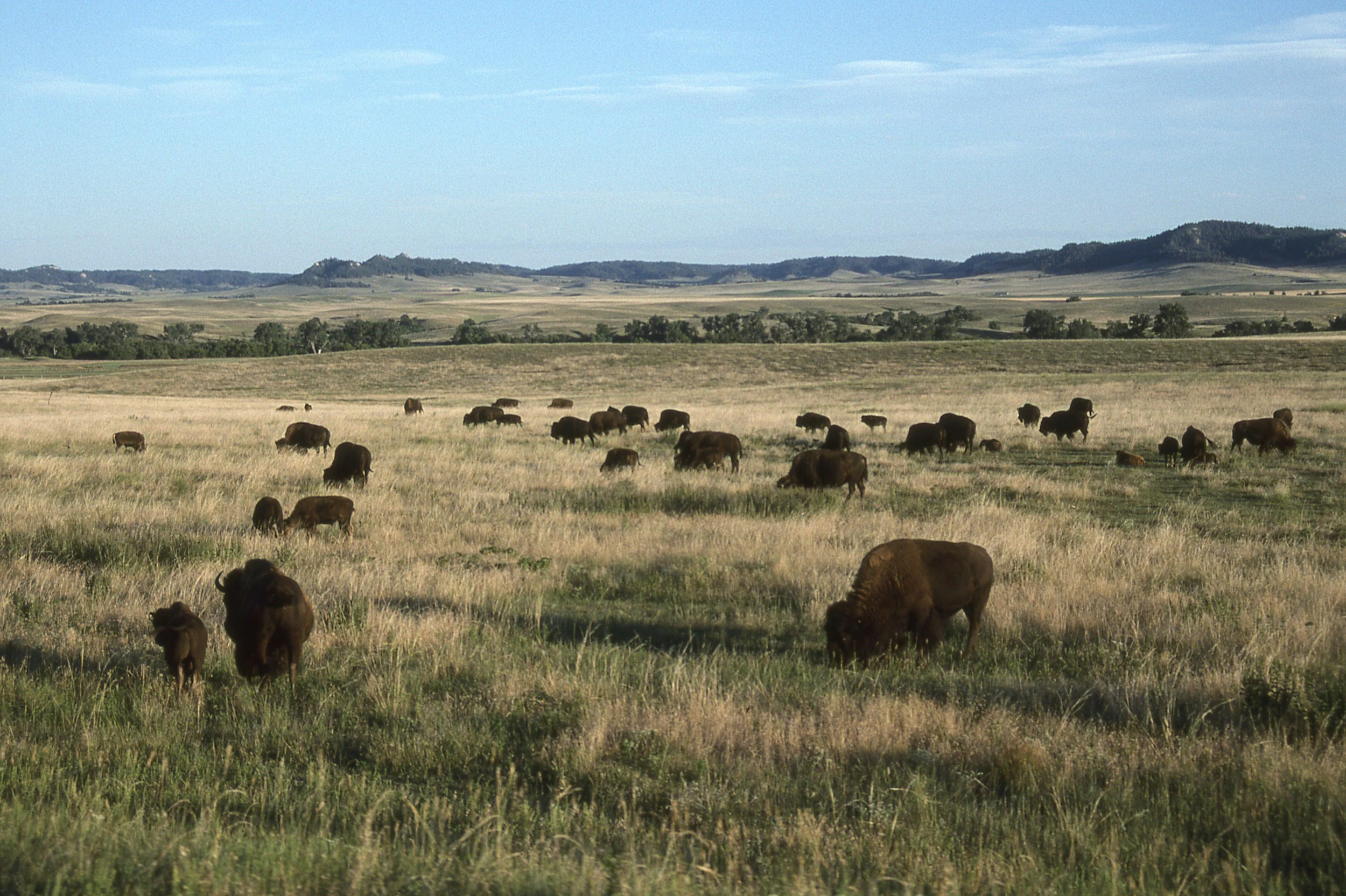
Bison historically shaped Texas from the southern plains to the north, south through Texas into Mexico. Their grazing created a mix of short and tall grasses that supported black-capped vireos, horned lizards, and countless other species. Their wallows became seasonal wetlands for pollinators and amphibians.
Without them, these landscapes have shifted toward brush encroachment and monoculture. Restoring bison means restoring the conditions that made this land alive.
Grassland restoration as a water solution
Deep-rooted native grasses, revived through bison grazing, dramatically improve soil structure and organic matter. The land absorbs and holds rainfall instead of shedding it. Healthy grasslands also transpire moisture back into the atmosphere, contributing to localized humidity and regional rainfall potential.
Central and South Texas are getting drier. A restored grassland is not just good for wildlife; it is a real buffer against the droughts we are already living through.
Deep-rooted grasses soak up so much more water, allowing for an increase in water retention.
Restoring Indigenous culture through bison
The InterTribal Buffalo Council manages over 20,000 bison across 65 tribes nationwide. That work proves what is possible when Indigenous peoples lead restoration efforts.
For Texas, bringing back the bison can create cultural revival opportunities for residents and Indigenous peoples alike to participate and develop a relationship with the land.
I believe that a large part of why so much of our food is poisoned with toxic pesticides, waste water, and herbicides is because so many people absolutely do not know how their food is grown.
But if we could develop opportunities for people to become more aware of the food supply chain, then perhaps they would demand stricter standards for clean and fresh food.
In closing, I believe we as a country desire more from the current established societal contract. Perhaps we are not organized or aware of it yet, but I believe most people instinctively know we are not living in a healthy or sustainable manner.
And I believe every year that passes, more and more people are becoming aware of those instinctual sentiments.
This is why I am sharing these ideas. So perhaps someone can read and learn and improve those ideas.
What are your thoughts? Let me know!