Gardening Should Be a Public Service
Why cities need to invest in public community gardens and regenerative farms
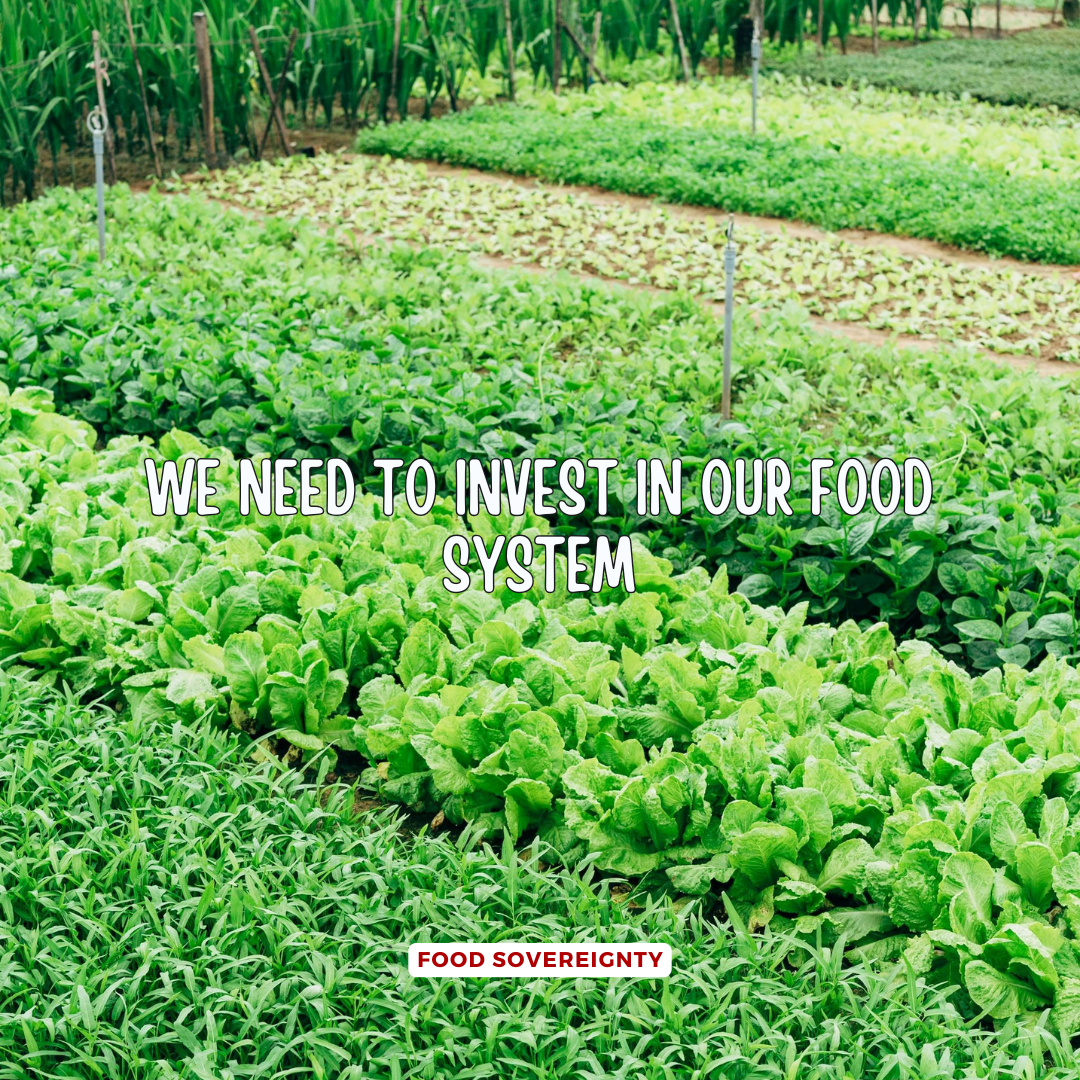
Groceries are getting more expensive. And as the world’s oil supply becomes unstable, our dependence on a global supply chain is showing just how weak our food system is.
It is time to diversify how we grow, produce, and supply fresh food. I am calling for public investment in locally grown foods that are fresh, clean, and regenerative towards the land.
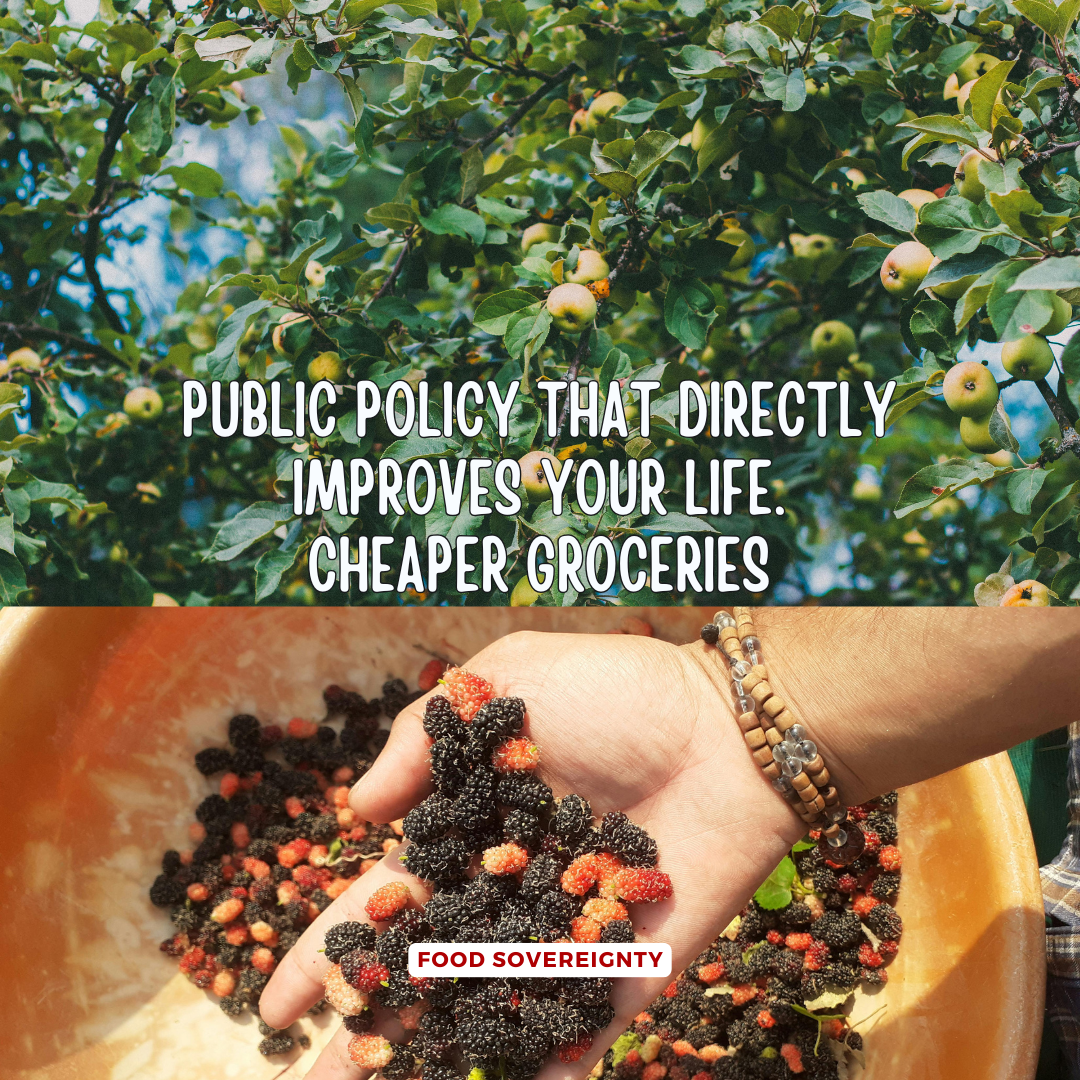
Imagine visiting a community center for free produce, apples, pears, greens or visiting your grocery store and seeing an entire section solely dedicated to the fresh and clean produce grown less than 40 mins away. cheaper, better, and local.
The truth is, we can do so much as a nation, a state, or a local municipality to improve our own quality of life. And I know I am not alone when I say our government is corrupt. Representatives that rather work for their donors than the people who gave them power in the first place. The results are a government that takes away our privacy, our agency, our neighbors, our healthcare, all to send endless funds abroad to play empire.
So here I am, proposing an idea that will improve your life, because in spite of the corruption, I believe in our power. Let’s talk about how we can gain more independence in our food supply chain.
We don’t simply have to live in a society that is ultra-dependent on the global food supply chain. Apples from Chile or Washington state, peaches and vegetables from California. Especially during times of crisis, when oil and logistical networks are becoming less and less stable, we need to enhance and diversify our food chain produced here.
We need to decrease our dependency on outside actors and invest in a duo private-public localized network for our food. One that incorporates City-owned farms and gardens, private local farmers, ranchers, food banks, grocery stores, established community gardens and urban farms, and interested citizens who wish to learn and grow food for themselves.
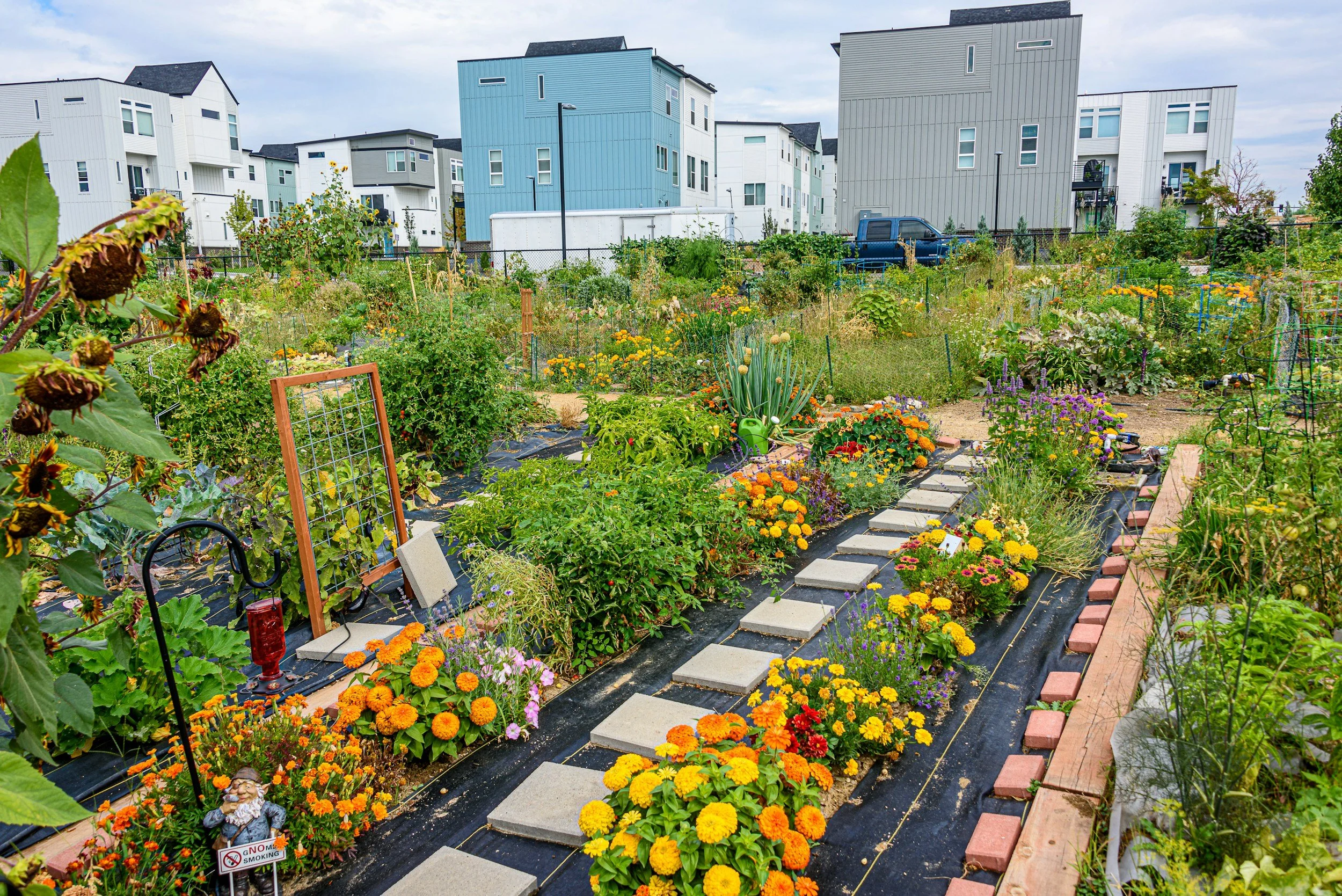
Imagine, instead of investing billions in another sports arena that will be abandoned in 20 years time, we could invest billions in regenerative urban farms that produce clean and organic apples, peaches, figs, plums, cabbage, potatoes, lettuce, greens, beans, onions, garlics, carrots, pecans, and a large assortment of other produce.
And because this is public investment, those goods would be free to low cost regardless of what the market demands.
The San Antonio Food Bank is already developing such a program, but I believe we can expand this concept.
Ten Point Plan
Create a 10 year 5% sales tax for real estate developers per new unit on land outside of the 410 area.
Utilize public green spaces for urban gardens, fruit trees, and regenerative farms
Acquire and develop rural lands near the city for regenerative farm & orchard use
Partner with Waste Mangement services and Resturants to develop a closed cycle composting and fertilier system using kitchen scraps.
Acquire ranch land or partner with ranchers for free range Bison, chicken, and egg
Collect, cultivate, and Prioritize heirloom, heritage, and local varieties that have adapted to our climate growing zone.
Private-Public partnerships. We wish to expand our capacity by also funding and supporting a culture of self-sufficentcy by empowering people to grow their own gardens and food.
Give people access to growing lands, community gardens, education opportunities, and stewardship opportunities
Create professional jobs that pay above the median income of the region to grow and sustain the project.
Generate enough revenue to allow the project to become sustainable in 10 years.
The 5% Developer Sales Tax
Taxes are scary to some, but if they will go to increase self-sufficiency and produce for locals, I believe taxes can and should be used sparingly for that specific purpose. This tax serves two purposes. It increases the threshold for unfettered development on our hill country and critical habitats, protecting Texas from the ungodly endless parking lots and McDonald’s being built.
And two.
It is public investment in helping to lower grocery prices by directly contributing to the supply chain. A city that participates in growing its own food. This temporary tax will go into the initial infrastructure, land acquisition, and operating costs that an ambitious project like this would incur and provide crucial time to allow the project to develop the complex logistical systems needed. Plus, fruit trees often require 5-6 years to mature before they can produce at the scale we wish for them to do. We believe we can scale a project like this and have it break even by year 8, and the additional two years would be saved as rainy day funds for emergencies.
Free Distribution Partnerships. We would work with organizations like the local Food Banks to provide produce for free to the general public.
Private-Public Partnerships. We wish to partner with private partners like H-E-B for the distribution of all produce at discounted prices. These discounted sales would give grocery markets cheaper produce for the general public and provide the program with a source of revenue to create a self-sustaining pathway for the program.
The Longterm Financial Sustainability
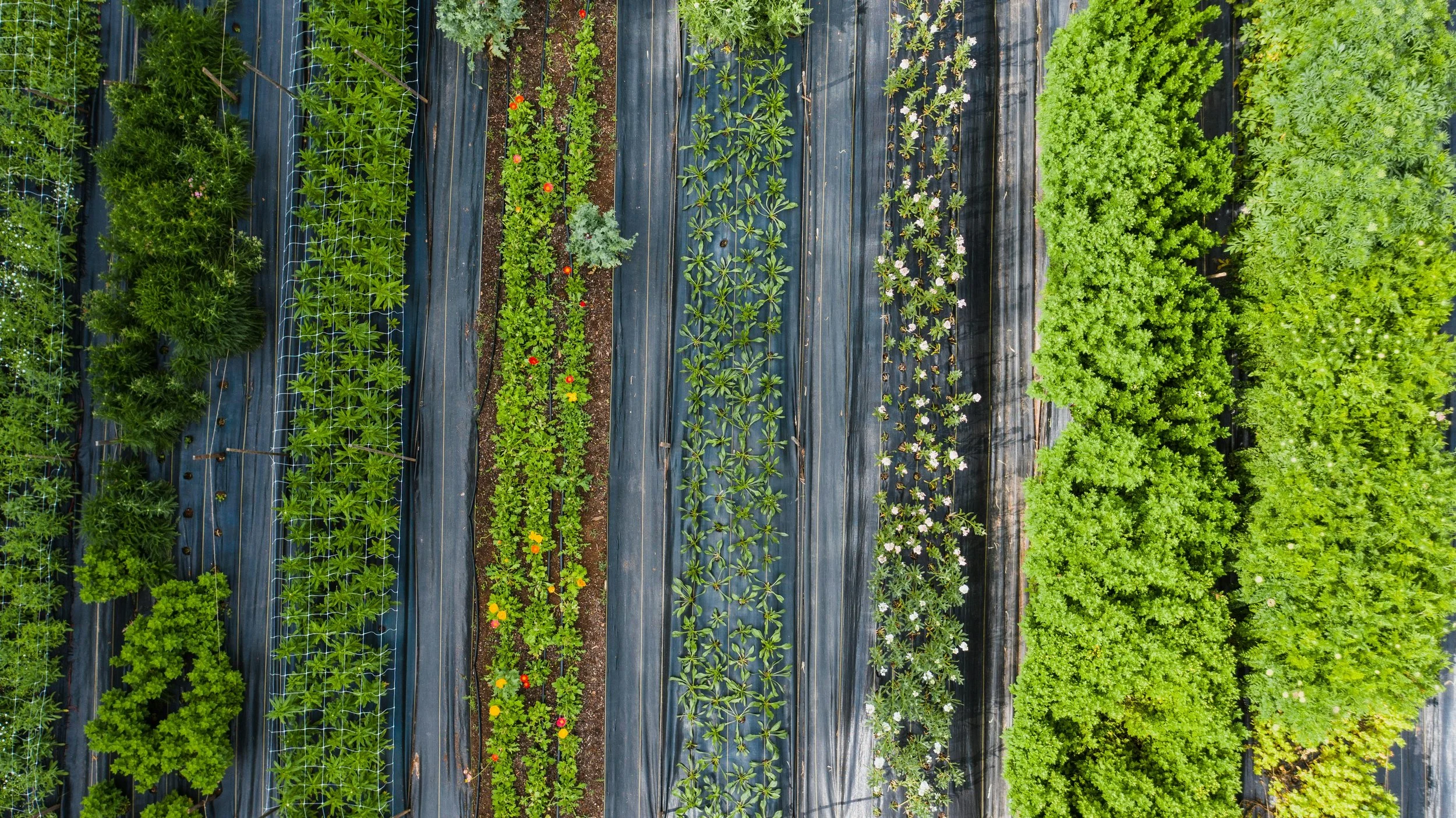
We believe in sustainability. Creating a project like this means crafting the means to produce a self-sustaining revenue model. This program will mature into a revenue-generating source for the city. That is to say, this isn’t a for-profit program, but we do believe that the revenue generated from the discounted sales to our distributors will eventually pay for the entire program, plus add additional revenue that can go into maintenance, upgrades, expansions, or other programs in need of a funding source.
Revenue sources this project would produce
Vegetable, herb, and flower sales
Fruit sales
Organic Composting and Fertilizer sales
Bison meat, poultry, and egg sales
Leather and Bison by-products sales
Produce, Fruit, and Herbal by-products sales
Our goal isn’t for profit. It is for people. As a result, we will ensure the highest quality in how we work the land and harvest. This is why our focus will be on regenerative and free-range practices (and not the legal use of “free-range”)
The Public Lands
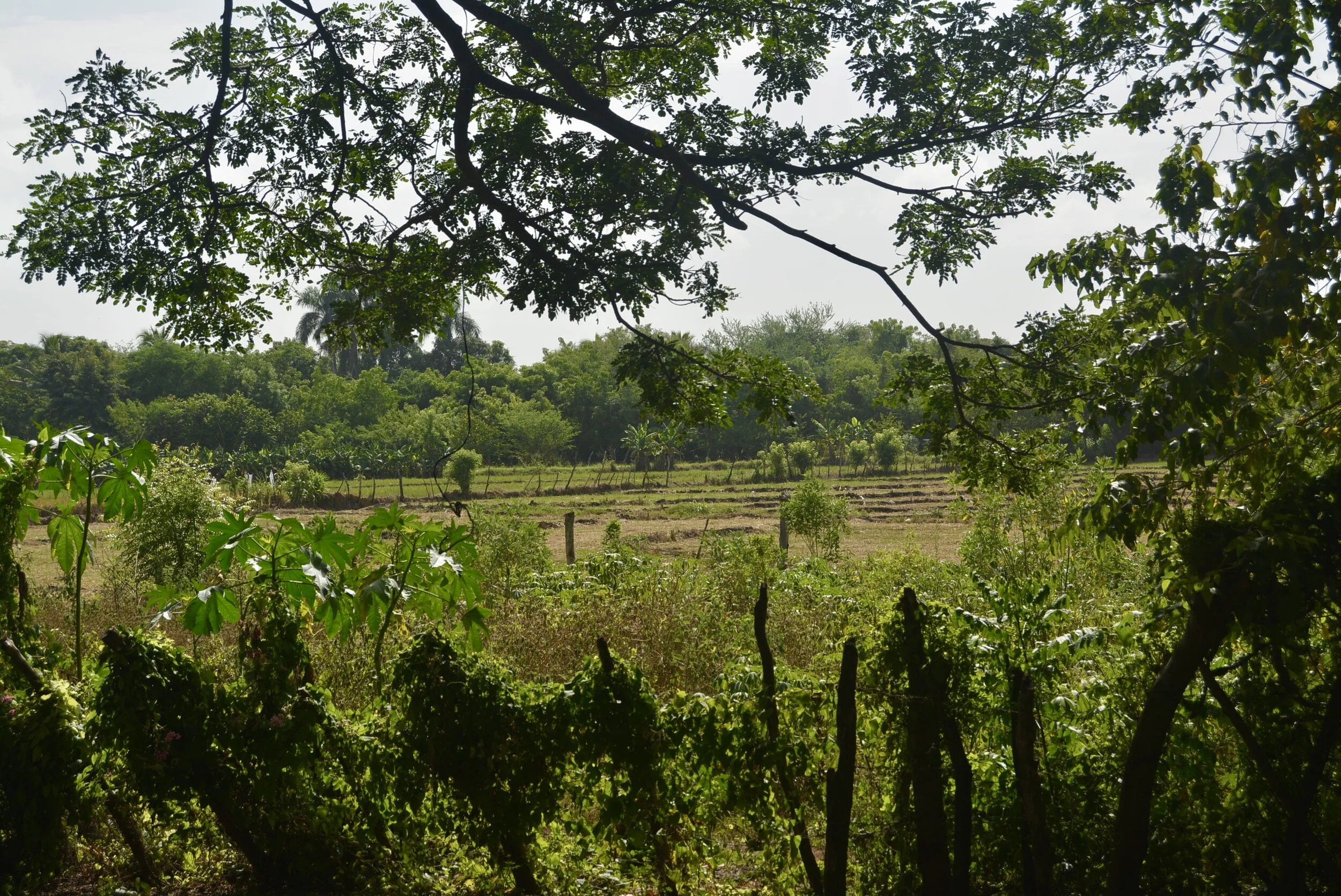
During the initial phase of this project, we would seek out optimal growing lands. An optimal growing area would meet one or several of the mission objectives:
Community integrated area, land that can be accessed by the general public, like a community garden and educational center.
Regenerative Farmland, rural land to be used to cultivate a wide variety of fruit, vegetable, herbal, and flower produce.
Regenerative ranchland, rural land to be used for free-range Bison herds harvested sustainably. Optimal for Indigenous and ranch cultural practices as well.
Community integrated areas will be our multiplier investment, a way for residents to learn to grow food sustainably or to gain access to land to grow, in the case that they do not have space in their home. We believe every interested American should be more connected with how their food grows.
We believe that the primary reason why there are so many nasty ingredients in processed foods and why we allow so many chemicals and toxins to be used in farming is simply because we are unaware.
So if people learned how to grow, had access to land to grow, and a supportive community behind them to keep them motivated, we believe community gardens would explode in popularity and productivity over time.
Why Bison?
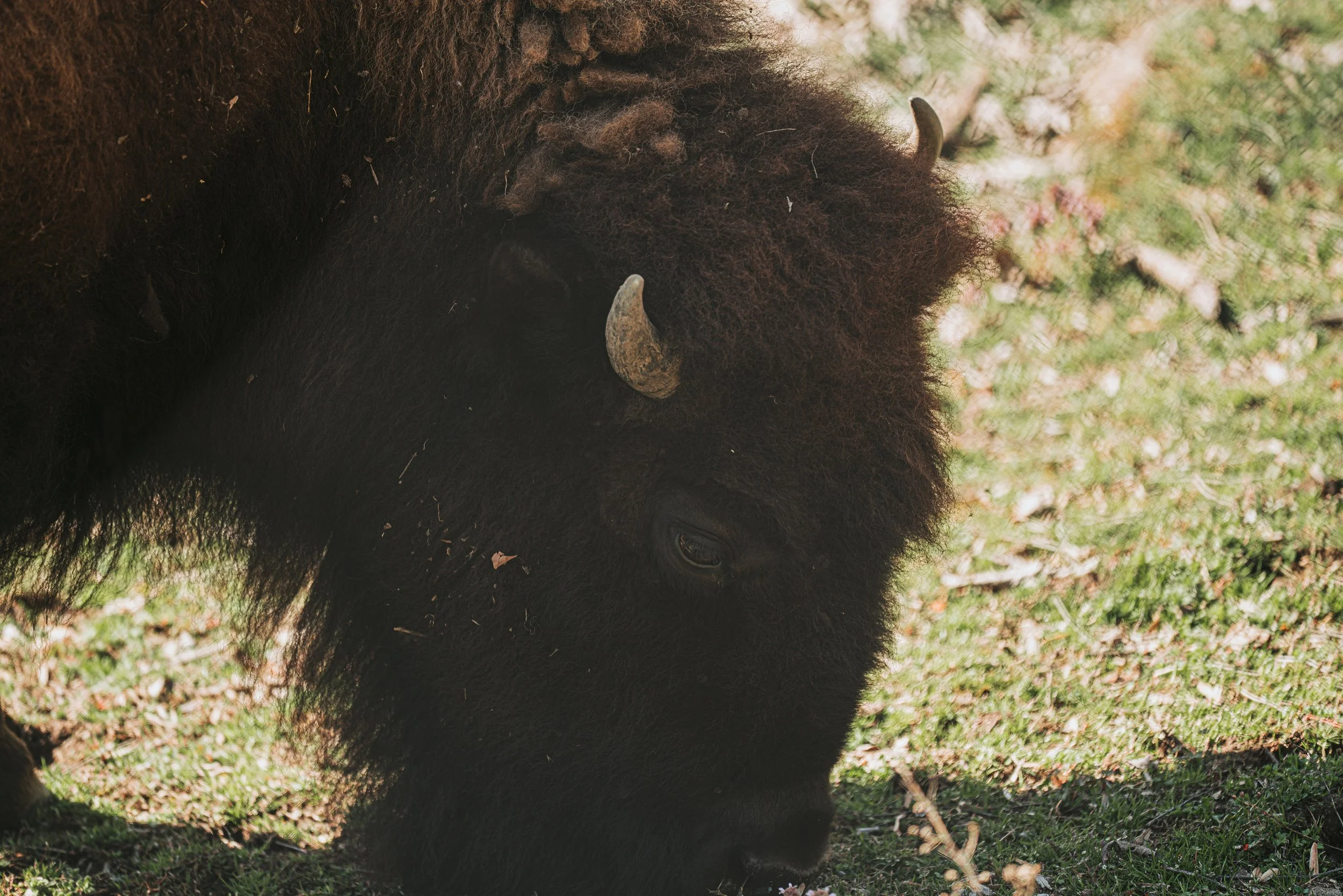
Bison are a native species to Texas, and they used to play a huge part in our culture and cuisine. Imagine the original Texas BBQs and Chili used to be made with Bison meat. Smoked in pits underground for hours or stewed in a chile sauce made from chiles, nuts like pecans, and berries by various Indigenous nations here.
But also, Bison are known to support the wild ecosystem and enrich the soils in a way that cattle do not. There are subtle differences in their grazing culture and how they interact with the land that have been studied in various ranches to contribute to greater grass biodiversity in the prairie.
So if we wish to create regenerative farming and ranching systems, we believe bison will be a greater longterm investment to support those goals. And Bison meat doesn’t taste too different from beef. It is lean, but slapping some extra oil on your steak will cover that.
The Composting & Fertilizer Closed Cycle
One of the largest annual expenses for agriculture tends to be fertilizer. Because this program is a response to the instability of the global supply chain system, we will have to find a new approach to this. You see, most commercial fertilizers are produced using oil. Yep! Oil is used to enrich your food.
We will create an innovative closed-loop system that partners with the public waste management branch of the city to find and collect kitchen food scraps from restaurants across the city to be used to create our own in-house composting and fertilizer.
Doing so will help decrease organic waste in the landfills
Provide a discount to restaurants, as they can use our service to reduce their waste collection fee
Surplus composting and fertilizers can be sold for revenue.
Ensure our food is grown using organic composting and fertilizers, and not oil-based commercial fertilizers.
The Local Foods Section
A blend of free and discounted distribution options for the general public.
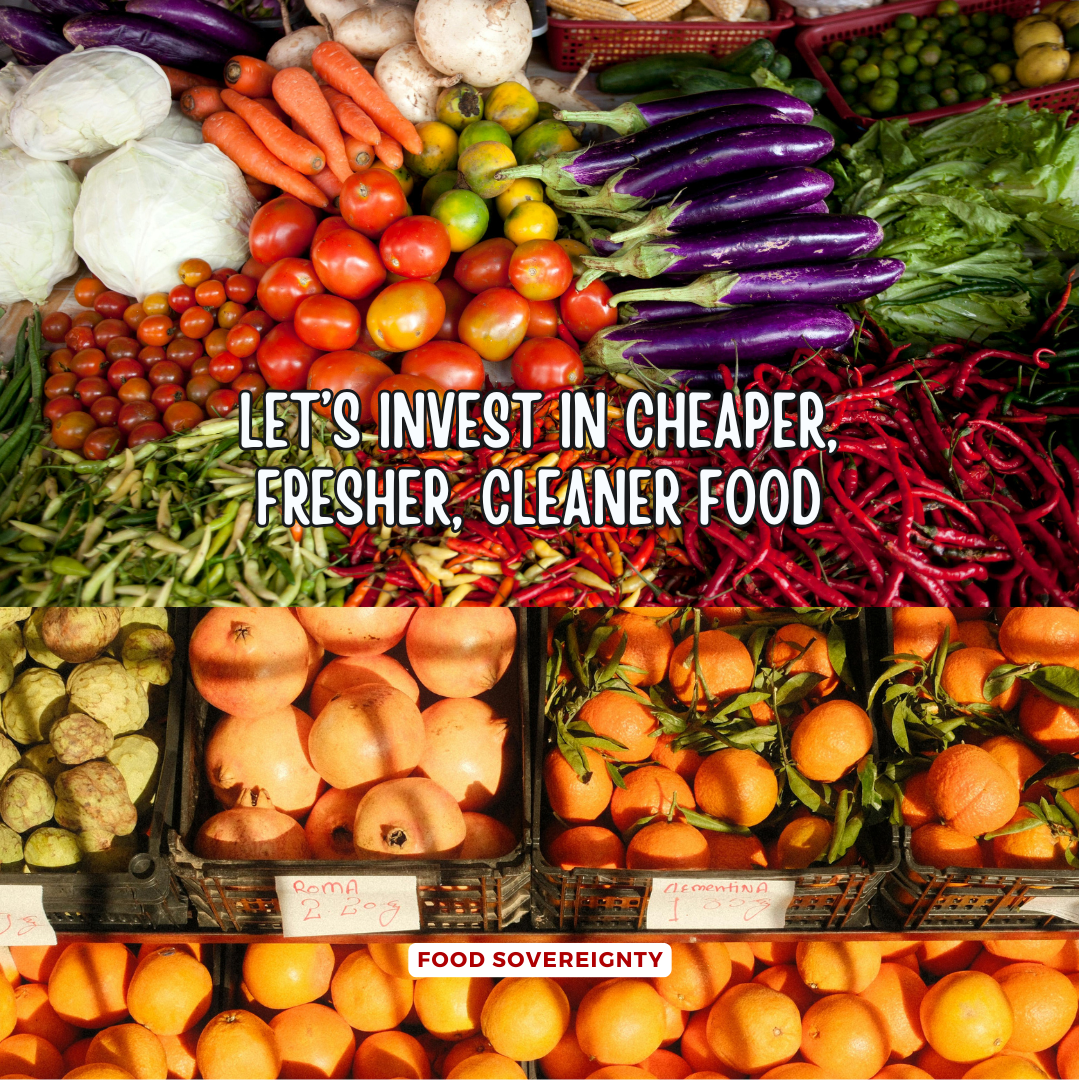
Our goal is to invest in our food together. And because this will be created using public investment, we will develop a wide distribution system for the general public to obtain free or discounted food.
The free distribution of food will be spread out across the Food Bank network, community centers, parks, non-profit partner locations, and more.
Discounted distribution centers will also be utilized to help generate revenue. These places can include for-profit partners like grocery stores, gas stations, corner stores, or other places you would logically think of purchasing fresh produce.
All produce would be branded as part of the local network, so you can identify it easily.
Imagine going to your local HEB and seeing the “San Antonio Fresh Produce” section. And the prices would indeed be lower.
The Jobs Program
Inherently, a city-wide program like this would create and sustain hundreds of high-paying jobs. And we intend to pay workers at a premium because a healthy economy includes a high-paid worker base.
We estimate that over 500 jobs will be created from this project. When we invest in ourselves, many things can be possible.
Final Thoughts
The purpose of this essay is to throw into the collective consciousness, creative ideas for public investment that I believe are not so difficult to accomplish, but that will generate significant goodwill and benefit to the general public.
We need more visionaries in America.
More ideas for a beautiful future. Our civics and political realities have been pilloried in tar and feathers for too long due to the corruption.
Two political parties drowning in donor money, led by aging minds muddled in fear and mortality, and who lack fresh and beautiful ideas to truly transform a declining nation.
And again, I am an eternal optimist. I believe in us. I believe in an America where citizens feel good. Feel like they can grow and be free.
And so, as we enter a new world order globally, I predict shortages will happen as the Strait of Hormuz stays closed. Food sovereignty is a necessity, in my opinion. We need public investment with a longterm focus for our food supply chain.
How can we grow more food locally or regionally? Reduce our dependency by stepping up as a city and region.
And lastly, imagine we do all of this. We invest in ourselves, our food, our sovereignty. And after 10 years, we have a mature food system that generates its own income or revenue. Providing crucial funds for a rainy day and even to support other needed programs. Perhaps even a childcare program for families.
Food for thought.